The evolution of gambling A journey through history
The Ancient Beginnings of Gambling
The roots of gambling can be traced back to ancient civilizations, where it was often intertwined with religious and cultural practices. Archaeological evidence reveals that games of chance, such as dice, were played in Mesopotamia as early as 3000 BC. These early forms of gambling were often associated with rituals and divination, reflecting a deep psychological belief in fate and the influence of the gods. As society evolved, so did the complexity and organization of these games, such as https://neonix-casino.net/ that began to emerge in various forms.
In ancient China, records from as early as 2000 BC indicate the use of keno slips, which served both as a game of chance and a means for raising funds for public works. Similarly, ancient Roman society saw various forms of betting on chariot races and gladiatorial contests. This shows that gambling was not just for entertainment; it was a significant social activity that fostered community involvement and competition.
The psychological aspects of gambling were evident in these early cultures. The thrill of chance and the risk of loss stimulated excitement, while the possibility of winning provided a sense of hope and aspiration. This dual nature of gambling has persisted throughout history, shaping its evolution as both a form of entertainment and an outlet for human desire.
The Rise of Organized Gambling
As societies advanced, gambling became more organized, particularly in Europe during the Middle Ages. The establishment of gambling houses and the popularity of lotteries marked a significant shift in the landscape of gambling. In this era, governments began to regulate gambling activities, recognizing their economic potential as a source of revenue. This transition illustrates how gambling evolved from informal, grassroots activities into structured enterprises.
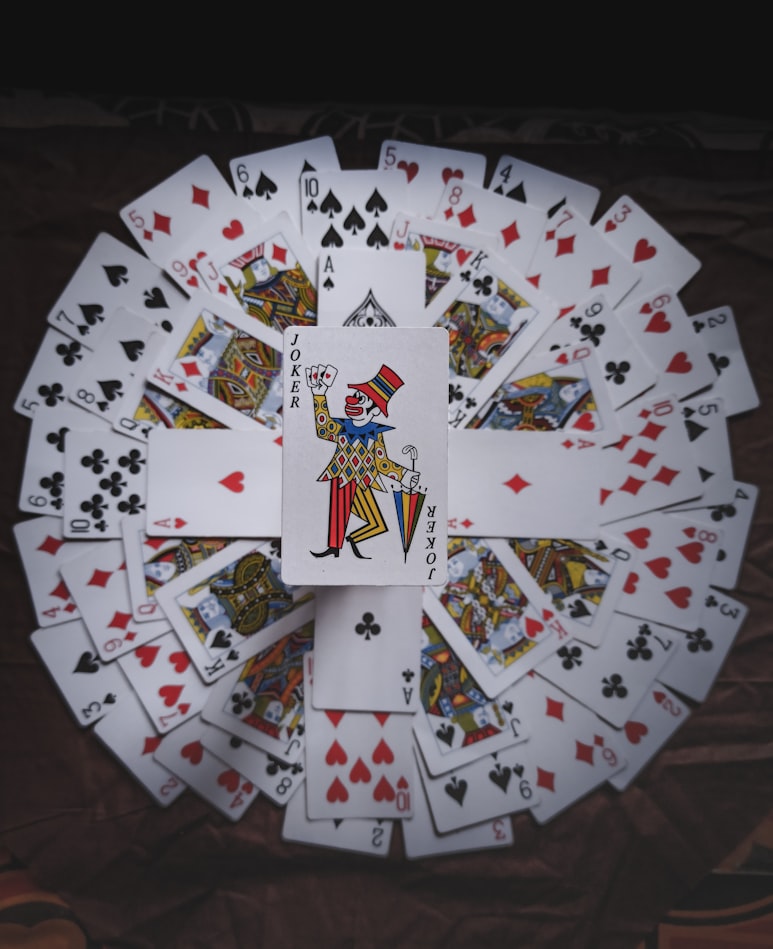
The introduction of playing cards in the 14th century further revolutionized gambling. Games like poker and blackjack emerged, gaining popularity among the upper classes. The psychological element of strategy began to play a more significant role in gambling, adding layers of complexity and skill that attracted a broader audience. This evolution encouraged social gatherings, where gambling served as both leisure and a means of social status.
The emergence of betting on sporting events, particularly horse racing, during this period underscored gambling’s role in societal culture. These activities emphasized risk assessment and decision-making, appealing to human instincts for competition and reward. Organized gambling set the stage for the modern gambling industry, showcasing how human psychology has always been at the core of this age-old practice.
The Era of Legalization and Commercialization
The 19th century marked a significant turning point for gambling, particularly with the legalization and commercialization of various gambling forms. Countries like the United States experienced a surge in gambling establishments, from saloons to casinos. The Gold Rush era saw a boom in gambling, as people flocked to new territories in search of wealth. This influx not only fueled economic growth but also spotlighted the psychological thrill associated with risk and reward.
The establishment of Las Vegas in the early 20th century further revolutionized the gambling landscape. The city transformed into a gambling Mecca, attracting millions with its opulent casinos and diverse entertainment options. This commercialization highlighted the intrinsic human desire for escapism, as people sought refuge in the glamour and excitement of gaming. The psychology behind this shift revealed a deep-seated need for thrill-seeking behavior in an increasingly complex society.
This era also saw the rise of the lottery as a government-sanctioned enterprise, providing states with significant funding for public services. The psychological aspects of lottery gambling, such as the allure of instant wealth, were cleverly marketed to the masses, amplifying participation rates. This period solidified the perception of gambling not only as a pastime but as a legitimate economic activity, intertwining its fate with the broader societal framework.
The Digital Revolution and Modern Gambling
The advent of the internet in the late 20th century brought about a seismic shift in gambling practices. Online casinos and betting platforms emerged, making gambling more accessible than ever. This digital transformation showcased the adaptability of gambling, allowing it to reach new audiences and demographics. The psychological implications of online gambling, such as anonymity and immediate gratification, attracted many who might have been hesitant to engage in traditional settings.
The rise of mobile technology has further revolutionized the gambling experience. With smartphones in hand, individuals can gamble anywhere, anytime. This convenience has led to an increase in impulsive betting behavior, reflecting the ever-present psychological triggers that gambling evokes. The thrill of real-time betting and live gaming experiences has created a sense of immediacy, appealing to the human desire for excitement and instant rewards.
Moreover, the integration of artificial intelligence and data analytics in online gambling platforms enhances user engagement by personalizing experiences. These advancements tap into psychological principles of reinforcement and loyalty, making it crucial for operators to understand the behavioral patterns of their audience. The digital evolution of gambling not only reshapes the industry but also illustrates how deeply psychology is woven into the fabric of gambling culture.
The Future of Gambling: A Psychological Perspective
The future of gambling is poised for further evolution, particularly as technology continues to advance. As virtual reality and augmented reality become more prevalent, the gambling experience is likely to become even more immersive. This evolution raises important psychological questions regarding the impact of such technologies on gambling behavior. Will virtual experiences enhance the thrill, or will they create new avenues for addiction and compulsive behavior?
Additionally, ongoing discussions about responsible gambling practices highlight the need for understanding the psychological triggers that lead to problem gambling. Efforts are being made to develop tools and strategies that can mitigate risks while allowing individuals to enjoy gambling responsibly. The balance between entertainment and responsibility will shape the industry’s future, reflecting the growing awareness of the psychological dimensions of gambling.
As gambling continues to evolve, it will remain essential to study its psychological impact on individuals and society. Understanding the motivations and behaviors behind gambling will not only enhance the industry but also promote a healthier relationship with this age-old practice. The journey of gambling through history illustrates a fascinating interplay between culture, technology, and human psychology.

Explore More About Gambling History on Our Website
Our website delves deeper into the captivating history of gambling, offering extensive resources and insights into its evolution. We explore various aspects, from ancient rituals to modern technological advancements, highlighting the psychological factors that have influenced gambling behavior through the ages. This comprehensive examination provides readers with a clearer understanding of how gambling has shaped societies and individuals alike.
Engaging articles, expert opinions, and interactive content await visitors who wish to discover the complex relationship between gambling and psychology. Whether you are a history enthusiast or simply curious about the modern gambling landscape, our website serves as a valuable resource for anyone interested in this fascinating journey. Join us in exploring the rich tapestry of gambling’s evolution and its enduring impact on human behavior.